
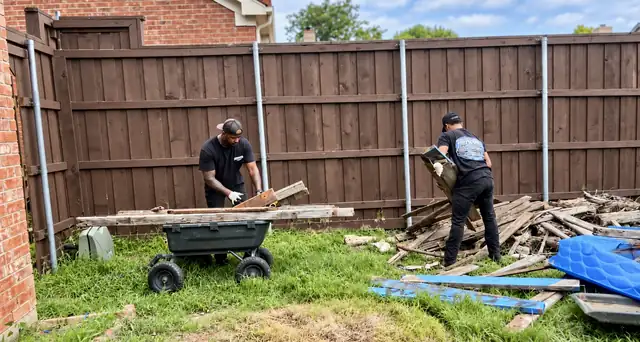
When you finish a construction project, the mess left behind can be overwhelming. Construction waste disposal is a crucial step to keep your site clean, safe, and ready for the next phase. Whether you are dealing with a small home renovation or a large commercial build, planning debris removal early can make cleanup easier.
Why Construction Waste Disposal Matters
Construction waste disposal is more than just cleaning up. Debris like wood scraps, concrete chunks, drywall, and metal pieces can pile up quickly. If left unmanaged, they can create hazards for workers and visitors.
Good waste disposal practices help keep the site organized and safe, reduce environmental impact when materials can be recycled, avoid extra cleanup costs, and help projects follow local disposal rules.
Best Practices for Construction Waste Disposal
Sort the debris. Separate materials like wood, metal, concrete, and plastics when practical.
Use the right containers. Choose bins or dumpsters sized for the project.
Schedule regular pickups. Keeping debris from piling up helps keep work areas clear.
Recycle when possible. Metal, concrete, and some wood may be recyclable depending on local facilities.
Hire professional services. For larger or more complicated jobs, a hauling service can handle debris removal safely and efficiently.
What Is the Cheapest Way to Get Rid of Rubble?
Budget-friendly options can include hauling it yourself, renting a small dumpster, using a rubble recycling service, or finding a legitimate reuse option for clean concrete or brick.
Compare local disposal fees, rental costs, labor, and hauling time before deciding which option is cheapest for your specific job.
How to Choose the Right Construction Debris Removal Service
Look for local experience, responsible disposal practices, flexible scheduling, transparent pricing, and a reliable reputation.
A good service should explain what materials it can take, how pricing works, and whether heavy materials have special limits or charges.
Tips for Reducing Construction Waste from the Start
Plan material quantities carefully to reduce leftovers.
Reuse or salvage materials where practical.
Keep recyclable materials separate when possible.
Handle materials carefully to reduce breakage and unnecessary waste.
Choose products and project methods that minimize waste when it makes sense for the job.
Moving Forward with Construction Debris Removal
Managing construction debris is a vital part of any building or renovation project. Planning debris removal before the job starts can help keep the site safer and easier to work in.
For local help, see Recourse construction debris removal and request a quote based on the material, volume, access, and disposal needs.